
 Styles
Formal and traditional attire headshots
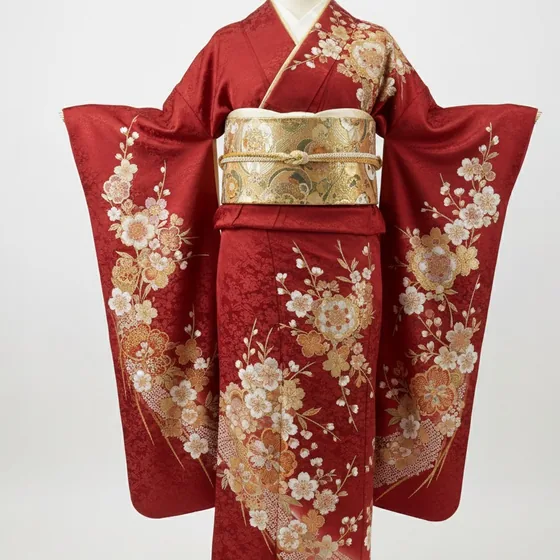
Formal and cultural dress carries meaning in a portrait, and it also carries detail. The composition has to give it room without letting it take over.
Giving the attire room
A collar, an embroidered neckline or a patterned fabric is part of the image, so the crop has to include it. Where a plain business shirt works at head-and-shoulders, formal and traditional dress usually needs a slightly wider frame — head, shoulders and upper chest — so the garment reads as intended.
The background then has to be quieter, because the attire is already carrying the visual interest. A plain wall, a soft studio backdrop or a subtly textured surface works; a patterned or colourful background competes with the fabric.
- Wider crop: head, shoulders and the upper chest.
- Plain background, quieter than the garment.
- Even light that keeps the fabric's colour accurate.
- One outfit per set, so the images in a set match.
When to use formal or traditional dress
Formal dress is the convention in law, finance and government, and in most markets for official portraits. Traditional dress is used for cultural occasions, festivals, national days and sometimes for professional profiles where it signals cultural identity deliberately.
Both are appropriate in professional contexts when they match the occasion. What does not work is mixing conventions within one set: a directory page where half the team is in suits and half in formal traditional dress reads as inconsistent rather than diverse.
- Official and legal portraits: formal dress is expected.
- Cultural occasions: traditional dress is the point.
- Team pages: keep the convention consistent across the team.
- If in doubt, generate both and choose per context.
Generating formal and traditional sets
AI Headshot Pro: Zenith Studio includes formal and traditional attire presets among its styles, so a set in formal or cultural dress can be generated from photos you already have rather than from a studio session with a wardrobe.
That is particularly useful for a whole team: each person supplies their own photos, and the resulting set shares the light, the background and the framing while preserving each person's own attire.
How it works
Three steps from a phone photo to a finished image
Upload your photos
Six to ten selfies with different angles and expressions.
Pick a style
Business, editorial, black and white, cinematic — or a profession set.
Download the set
A consistent batch of portraits, ready for your profile.
FAQ
Frequently asked questions
Can I wear traditional dress in a professional headshot?
Yes. Traditional attire is appropriate where it matches the occasion or where cultural identity is part of what you want the photo to communicate. Keep the background plain so the garment reads clearly.
How should I crop a photo in formal attire?
Slightly wider than a standard headshot — head, shoulders and upper chest — so the collar, neckline or fabric detail is visible. The background should be quieter than the garment.
What background suits formal attire?
A plain wall or a soft studio backdrop, in a tone that does not compete with the fabric. Patterned or colourful backgrounds fight with formal and traditional dress, which is usually already the most detailed element in the frame.
Can a team use different attire conventions?
Within one page, it is better to be consistent. If a team is genuinely mixed, generate a formal set and a traditional set and choose which to publish where, rather than mixing them in one grid.
Try it on your next photo
Free to download on the App Store. iPhone and iPad only.