 How-to
What to wear for a headshot
Four rules apply everywhere, and then the industry decides the rest. Get the rules right and the specific choice matters far less than people think.
The four rules that always apply
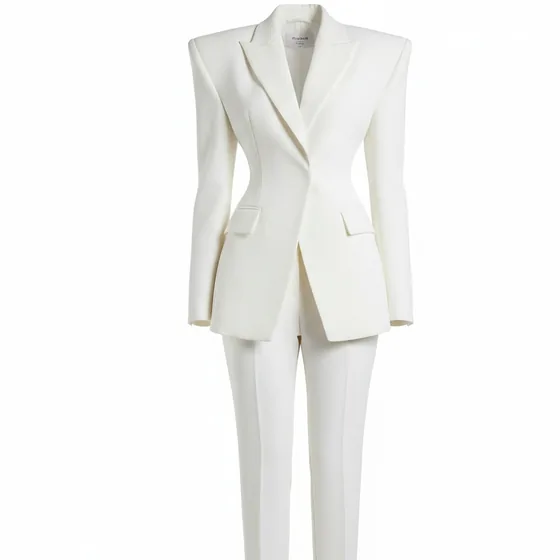
Clothing in a portrait is read as a signal of how seriously you take the context. The signals are consistent across industries, and they are mostly about restraint.
- Solid colours: navy, grey, white, soft blue, black. Patterns distract at small sizes.
- Structure: a collar, a jacket, a knit. A plain t-shirt reads as casual.
- Fit: a garment that fits properly reads as deliberate, whatever it cost.
- Condition: pressed, clean, no visible wear. This matters more than the brand.
By industry
Beyond the four rules, match the convention of the field you work in. The quickest way to find it is to look at the team page of a company you would like to work for.
- Finance, law, government: suit, shirt, tie. Formal is the convention.
- Corporate and consulting: jacket over a plain shirt, tie optional.
- Tech and startups: a collared shirt or a clean knit; a suit looks borrowed.
- Healthcare: clinical wear or a plain collared shirt in a solid colour.
- Creative: personal style is expected, as long as it reads as clothing.
- Trades and services: a clean version of what you actually work in.
What to avoid
The common mistakes are all about the image rather than the clothing: white on a white background, which erases the shoulders; busy patterns, which turn into noise at thumbnail size; heavy jewellery, which catches the light; and anything with a visible logo, which dates the photo and distracts from the face.
Also avoid wearing something you would never wear to work. The photo should look like the person who will turn up to the meeting.
- No white shirt on a white background — you lose your outline.
- No busy prints, stripes or checks.
- No reflective jewellery or shiny accessories near the face.
- No logos, slogans or visible branding.
If you are generating a set
AI Headshot Pro: Zenith Studio keeps the clothing from your source photos and rebuilds the light, background and framing. That means the clothes still have to be right — the app improves the presentation, not the wardrobe.
If you need two looks, generate two sets from the same source photos: one in business dress for formal contexts, and one more relaxed for social profiles.
How it works
Three steps from a phone photo to a finished image
Upload your photos
Six to ten selfies with different angles and expressions.
Pick a style
Business, editorial, black and white, cinematic — or a profession set.
Download the set
A consistent batch of portraits, ready for your profile.
FAQ
Frequently asked questions
What should I wear for a professional headshot?
A structured garment in a solid, muted colour: a collared shirt, a blouse, a jacket or a fine knit. Match the convention of your industry, and prioritise fit and condition over brand.
Can I wear a t-shirt in a headshot?
In tech, creative and casual workplaces, yes — a plain, well-fitted t-shirt in a solid colour is acceptable. In finance, law and corporate contexts, a structured garment is expected.
What colours work best?
Solid, muted colours: navy, grey, white, soft blue and black. Patterns, stripes and busy prints turn into noise at the small sizes a headshot is usually displayed at, and white on a white background erases the outline of the shoulders.
Should I wear my uniform?
For clinical, trades and uniformed roles, a clean version of your work clothing is credible and often better received than a borrowed suit. Avoid anything that hides the face, such as a hard hat or a mask.
Try it on your next photo
Free to download on the App Store. iPhone and iPad only.