
 Card types
Autograph and memorabilia cards
A signed card is the highest tier of most modern releases, and the easiest to mis-price — because the autograph is only part of what makes it valuable.
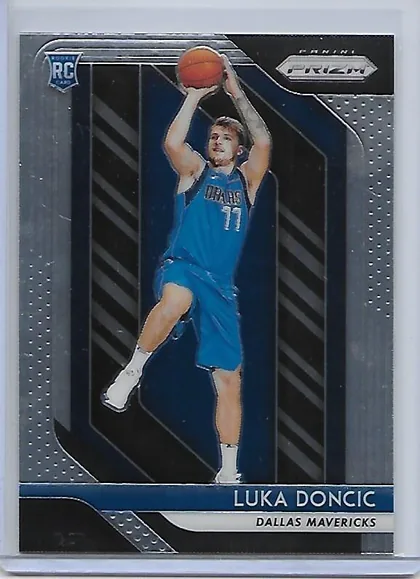
Signed, printed, or part of the design
Three different things are called autographs in this hobby. A card can carry a printed signature as part of the design, an on-card autograph signed directly on the card, or a sticker autograph signed onto a label that is then applied. Only the last two are real autographs, and the market prices them differently.
On-card autographs are generally preferred, because the signature is on the card itself and cannot lift. Sticker autos are common in modern products and are worth less than an equivalent on-card version.
- Printed signature: part of the design, not an autograph.
- On-card: signed directly on the card — the preferred form.
- Sticker: signed on a label applied to the card.
- Check for a certification or a serial number on the back.
Patches, relics and what drives value
Memorabilia cards contain a piece of a jersey, a bat, a floor or a patch. The market distinguishes sharply between a plain swatch, a multi-colour patch, and a patch with a seam, a logo or a number — and the scarcity of the specific version usually matters more than the size of the piece.
Across both autographs and memorabilia, three things set the price: the player, the print run, and whether the card is a rookie. A numbered rookie autograph of a star is the top of most modern sets.
- Plain swatch: the common version.
- Multi-colour patch: worth more, and much more with a seam or logo.
- Numbering: the print run is the main scarcity signal.
- Rookie autographs carry the largest premiums.
Buying and selling them
Autographs are the most counterfeited part of the hobby, which is why third-party authentication and grading matter more here than anywhere else. A slab with an authentication grade removes the question.
If you are buying raw, check the signature against known examples, look for the certification, and be sceptical of a price far below the market for that card. If you are selling, photograph the signature clearly and state whether it is on-card or a sticker.
- Prefer authenticated or graded autographs when buying.
- Check the certification number against the issuer's database.
- State on-card versus sticker in your own listings.
- Photograph the signature in even light, straight on.
How it works
Three steps from a phone photo to a finished image
Scan the card
Point the camera at it — raw, sleeved, in a binder or in a slab.
Confirm the match
Check the player, year, set and parallel Zenith read.
See the value
The card lands in your collection with a market value attached.
FAQ
Frequently asked questions
What is an autograph card?
A card carrying a genuine signature, either signed directly on the card (on-card) or on a label applied to it (sticker). A printed signature that is part of the design is not an autograph, and the market prices it accordingly.
Are sticker autographs worth less?
Generally yes. On-card autographs are preferred because the signature is on the card itself, and an equivalent sticker version usually sells for less. The gap varies by player and by release.
How do I know an autograph is genuine?
Third-party authentication and grading is the reliable answer: a slab with an authentication grade removes the question. For raw cards, check the certification number with the issuer and compare the signature against known examples.
What makes a patch card valuable?
The player, the print run and the patch itself. A multi-colour patch with a seam, a logo or part of a number is worth much more than a plain single-colour swatch, and a numbered rookie patch is the top of most sets.
Try it on your next photo
Free to download on the App Store. iPhone and iPad only.