
 Value & selling
Sports card investing
Cards are a collectible market with real liquidity and real risk. Treating it as an investment means accepting both, deliberately.
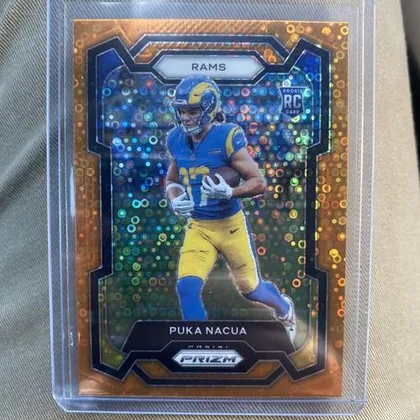
What is genuinely different here
The supply of any individual card is fixed, which is a real structural advantage over most collectibles: nobody can print more 1952 Topps. That is the honest bull case, and it is why the market has persisted for decades.
The bear case is equally structural. The market is small, it is driven by attention, and the costs of buying and selling — grading, shipping, commissions, spread — are high relative to other asset classes.
- Fixed supply: nobody can print more of a vintage card.
- Thin market: liquidity depends on a small number of buyers.
- Transaction costs: grading, shipping, fees and dealer spread.
- Attention-driven: prices follow popularity, which reverses.
The risks specific to cards
Three risks are worth understanding before treating a collection as an investment. Concentration: a collection of rookies is a bet on young athletes, which is a volatile bet. Condition risk: a card's value depends on a grade you cannot control, and grading is a submission with an uncertain outcome.
And timing risk: this market moves fast in both directions, and the exit is harder than the entry, because buyers are fewer than sellers.
- Concentration: one player, one sport, one era.
- Condition risk: the grade you get is not the grade you expected.
- Exit risk: selling a large collection takes time and a discount.
- Storage and insurance costs, which are ongoing.
A reasonable approach
If you are investing, treat it as a small, deliberate allocation: buy the cards you understand, keep a current valuation, and decide your exit price when you buy. Do not buy boxes, and do not buy cards you would not be happy to own if the price fell.
That last point is not sentimentality. It is the only strategy that survives a bad market, because the cards still do something for you.
How it works
Three steps from a phone photo to a finished image
Scan the card
Point the camera at it — raw, sleeved, in a binder or in a slab.
Confirm the match
Check the player, year, set and parallel Zenith read.
See the value
The card lands in your collection with a market value attached.
FAQ
Frequently asked questions
Are sports cards a good investment?
They are a collectible market with fixed supply and real liquidity, and also with high transaction costs and attention-driven prices. Treat them as a small, deliberate allocation rather than a portfolio, and expect the exit to be harder than the entry.
What is the biggest risk in card investing?
Concentration and exit risk. A collection of rookies is a bet on young athletes, and selling a large collection takes time and usually a discount, because buyers are fewer than sellers.
Should I buy boxes as an investment?
No. The expected value of a box is usually a fraction of its price, and sealed product carries storage and condition risk. If you want exposure to a player, buying the single is more direct and cheaper.
How do I track the value of an investment collection?
Keep a current valuation rather than an annual one, because this market moves quickly. Scanning the collection keeps values attached to the cards, so you know when a holding has reached the price you set.
Try it on your next photo
Free to download on the App Store. iPhone and iPad only.