
 Value & selling
How to price a sports card
A price is a defensible number, not a hope. Three inputs get you there: recent sales, condition and how easily the card actually trades.
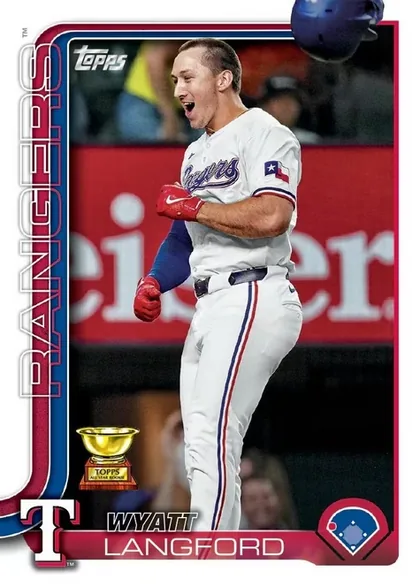
Start with comps
A comp is a completed sale of the same card in comparable condition. The same player, year, set, card number and parallel — a base card and its refractor are different products with different prices, and a raw card is not comparable with a graded one.
Look at several sales rather than one. A single sale can be an outlier in either direction, and the middle of the range is a more honest number than the highest price anyone ever paid.
- Same card, same parallel, same grade.
- Recent — a sale from three years ago describes a different market.
- Several sales, not one.
- Sold prices, never asking prices.
Adjust for condition and scarcity
Condition moves the price more than sellers expect. Centring, corners and surface are what buyers check, and a card with a visible centring problem is discounted heavily against a well-centred copy — often by more than the flaw looks like it deserves.
Scarcity works the other way. A numbered parallel is priced by its print run: the same card numbered to 25 is a different market from one numbered to 199, and the gap is usually wider than the ratio of the print runs.
- Discount for centring, corners and surface, honestly.
- Price numbered cards by their print run.
- Rookies carry a premium over later cards of the same player.
- Check whether the card actually trades before assuming a price.
The two expensive mistakes
The first is pricing from a guide. Guide prices lag the market, and they are usually higher than what cards actually sell for, which is why so many listings sit unsold at guide price.
The second is listing without a price at all, hoping for offers. Offers on an unpriced card are lower than the market, because the buyer is pricing your uncertainty.
- Guides lag; comps are the market.
- Unpriced listings attract low offers.
- A fixed price with the comps behind it sells faster.
- Check the comps again the week you list.
Pricing a whole collection
Pricing one card is a lookup; pricing four hundred is a project. Scanning the collection attaches a market value to each card, which turns the job into sorting rather than research.
It also shows you where the value actually is — usually a small number of cards — which is what tells you whether to sell singles or the whole box.
How it works
Three steps from a phone photo to a finished image
Scan the card
Point the camera at it — raw, sleeved, in a binder or in a slab.
Confirm the match
Check the player, year, set and parallel Zenith read.
See the value
The card lands in your collection with a market value attached.
FAQ
Frequently asked questions
How do I find the value of a sports card?
Look at recent completed sales of the same card in the same condition, take the middle of the range, then adjust for condition and scarcity. Guide prices lag the market and asking prices are not sales.
Why is my card not selling?
Usually the price. Guide-based prices are often above the market, and cards with visible condition flaws are discounted heavily by buyers. Check recent comps again and price against the middle of the range.
Do numbered cards sell for more?
Yes, and by more than the print run ratio suggests. A card numbered to 25 is a different market from the same card numbered to 199, because the supply of the scarcer version is fixed and small.
How do I price a whole collection?
Scan it and let the values attach to each card, then sort by value. That takes minutes per box rather than weeks of lookups, and it shows you which cards carry the value before you decide how to sell.
Try it on your next photo
Free to download on the App Store. iPhone and iPad only.