
 Value & selling
Sports card consignment
Consignment is a service, and the service is trust: someone else holds your card and sells it. The terms decide whether that is a good deal.
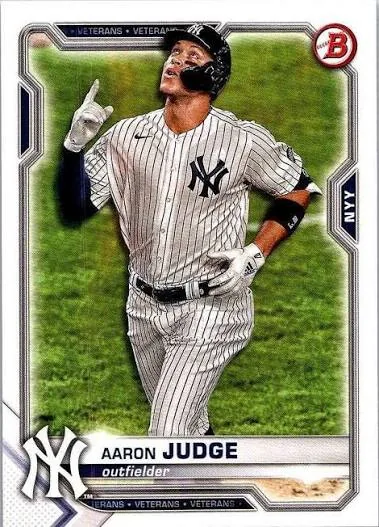
What consignment covers
A consignment arrangement puts the selling work in someone else's hands: photography, listing, negotiation, packing, shipping and buyer communication. In exchange they take a commission, usually a percentage of the sale price, sometimes with a minimum fee.
Auction houses add a different value: access to buyers who do not shop on marketplaces, which for genuinely rare cards can produce a higher price than a direct sale.
- Commission: a percentage of the sale, sometimes with a minimum.
- Services: photography, listing, negotiation, shipping.
- Auction houses: access to a different, often deeper, buyer pool.
- Terms: what happens if it does not sell, and who pays shipping.
Where the surprises come from
Most consignment disputes are about three things: the reserve price, the fees that apply if a card does not sell, and the timeline for payment. All three are negotiable and all three should be agreed in writing before the card leaves your hands.
It is also worth asking who insures the card while it is with them. If the answer is nobody, that is the whole arrangement.
- Agree the reserve, and what happens if it is not met.
- Confirm whether unsold cards incur a fee.
- Confirm the payment timeline after a sale.
- Confirm insurance while the card is held.
When to consign rather than sell yourself
Consign the cards where the commission buys something you cannot do yourself: a rare card that needs the right buyer, or a collection large enough that the operational work is the real obstacle.
Sell the rest yourself. For an ordinary card in a liquid market, the commission is a cost with no benefit — the buyers are on the same platforms you would have used.
How it works
Three steps from a phone photo to a finished image
Scan the card
Point the camera at it — raw, sleeved, in a binder or in a slab.
Confirm the match
Check the player, year, set and parallel Zenith read.
See the value
The card lands in your collection with a market value attached.
FAQ
Frequently asked questions
How does card consignment work?
You hand the card to a dealer or auction house, which photographs, lists, negotiates and ships it, and takes a commission from the sale. The terms — reserve, fees, payment timeline and insurance — should all be agreed in writing first.
What commission should I expect?
It varies by seller, by card value and by the work involved, and it is negotiable. Ask for the total cost including any minimum fee, and compare it against what you would net selling the card yourself.
Is consignment better than selling myself?
For rare cards that need a specific buyer, and for collections where the operational work is the obstacle, yes. For ordinary cards in a liquid market, the commission buys nothing you could not do on the same platforms yourself.
What should I do before consigning cards?
Photograph every card and record its condition, agree the reserve and the fees in writing, confirm who insures the cards while they are held, and confirm when you will be paid after a sale.
Try it on your next photo
Free to download on the App Store. iPhone and iPad only.