
 Collecting
Card binders and albums
A binder is the best way to use a collection and the worst way to store a valuable one. Knowing which cards belong in which is most of the decision.
What binders are good for
A binder makes a collection usable: you can see a set, spot the gaps and enjoy the cards. For commons, sets in progress and low-value collections, it is the right choice.
The conditions are specific, though. The pages must be acid-free and PVC-free, the binder must be stored upright and away from heat, and the cards should be sleeved before they go into the pages if they are worth anything.
- Best for: sets in progress, commons, low-value collections.
- Pages: acid-free and PVC-free only.
- Sleeve cards before putting them in pages.
- Store upright, in a cool dry room, out of sunlight.
Where binders are the wrong answer
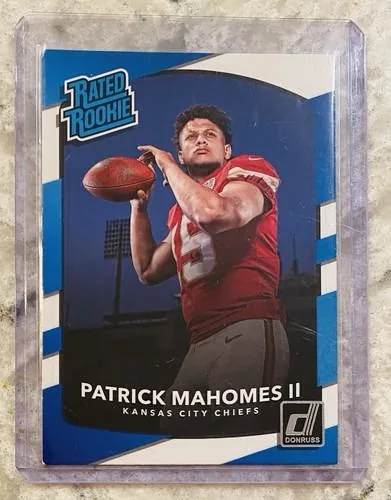
Pages press against card surfaces, and over years that pressure plus any humidity in the room can leave marks. For anything valuable — a star rookie, a numbered parallel, a vintage card — the binder is the wrong home.
Those cards belong in rigid holders, in a box that closes, or in a graded slab. A display album with UV-filtering sleeves is the compromise for showing off a few cards without exposing them.
- Not for: rookies, numbered parallels, vintage, anything valuable.
- Value cards: top loader or Card Saver, then a box.
- Display: UV-filtering cases, out of direct light.
- Never store a binder flat, and never overfill it.
Choosing a setup
Most collectors end up with a mixed setup: binders for the sets they are building and the cards they like looking at, boxes of sleeved cards for everything else, and rigid holders for the handful that matter.
Recording which is where is the part that keeps it usable. Scanning as you file means the collection has a list and a value, and you can find a card without opening every box.
How it works
Three steps from a phone photo to a finished image
Scan the card
Point the camera at it — raw, sleeved, in a binder or in a slab.
Confirm the match
Check the player, year, set and parallel Zenith read.
See the value
The card lands in your collection with a market value attached.
FAQ
Frequently asked questions
Are card binders safe for cards?
For commons, sets in progress and low-value cards, yes, provided the pages are acid-free and PVC-free and the binder is stored upright in a cool, dry room. For valuable cards, rigid holders in a box are safer.
What pages should I use?
Acid-free, PVC-free nine-pocket pages. PVC pages can leave residue on card surfaces over years, which shows up as a defect if the card is ever graded.
Should I sleeve cards before putting them in a binder?
Yes, for anything worth more than a few cents. The sleeve protects the surface from the page, and it is the cheapest insurance in the hobby.
How do I display cards without damaging them?
Use UV-filtering cases or frames and keep them out of direct sunlight. Light damage is cumulative, so a card displayed in a bright room will fade over time even if it never gets hot.
Try it on your next photo
Free to download on the App Store. iPhone and iPad only.