
 Collecting
How to store sports cards
Cards are damaged by four things: moisture, heat, light and handling. Storage is the practice of removing all four, and it costs very little.
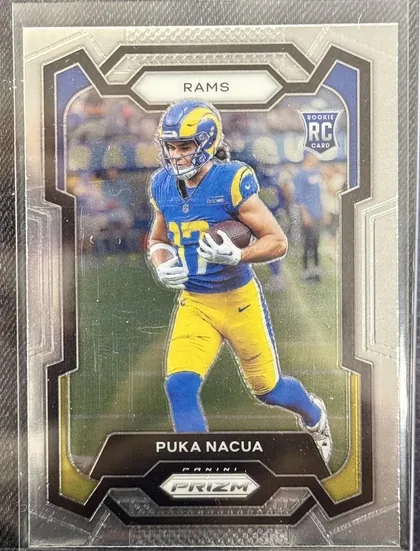
The four things that damage cards
Moisture is the worst, because it causes warping, foxing and, on older cards, the growth that eats paper. Humidity of roughly 40 to 50 percent is the comfortable range; a loft, a garage or a damp basement is not.
Heat and light come second. Ultraviolet light fades ink and yellows paper, and it is cumulative — a shelf in direct sun will visibly fade a card over a summer. Heat accelerates everything, including the chemical reactions that age paper.
- Humidity: keep it moderate; avoid lofts, garages and basements.
- Light: no direct sun, and no display case facing a window.
- Heat: stable room temperature, away from radiators and vents.
- Handling: hold by the edges, never the surface.
The setup, by card value
Not every card needs the same treatment. Commons can live in a box; anything worth more than a few dollars should be sleeved and boarded; anything worth more than the price of a rigid holder should be in one.
- Commons: a 3200-count box, upright, with cards packed snugly.
- Most cards: penny sleeve, then into the box or a binder page.
- Better cards: sleeve plus top loader or Card Saver, then a team bag.
- Best cards: graded slab, stored upright, or a rigid holder in a case.
What to avoid
Three storage habits cause most of the damage: rubber bands, which crease the edges; PVC sleeves and pages, which can leave residue over years; and anything adhesive in direct contact with a card, including tape on a holder that will be stored against another card.
Display is the other risk. A card on a sunny shelf looks good and fades; if you want to display, use a UV-filtering case and keep it out of direct light.
- No rubber bands, ever.
- No PVC sleeves or pages — use acid-free, PVC-free materials.
- No tape touching the card or the face of a holder.
- Display in UV-filtering cases, away from windows.
Recording what you have
Storage without a record is a collection you cannot use. Scanning each card as it is filed means the collection has a value attached and a list you can check before buying the same card twice.
For a large collection, that is the difference between an asset and a pile of boxes.
How it works
Three steps from a phone photo to a finished image
Scan the card
Point the camera at it — raw, sleeved, in a binder or in a slab.
Confirm the match
Check the player, year, set and parallel Zenith read.
See the value
The card lands in your collection with a market value attached.
FAQ
Frequently asked questions
How should I store my sports cards?
Penny sleeve for every card, rigid holders for anything valuable, in a cool, dry room at stable temperature, away from sunlight. Use acid-free, PVC-free materials and a box that closes properly.
Does humidity damage cards?
Yes — it is the main cause of warping and foxing on older cards. A moderate indoor humidity of roughly 40 to 50 percent is safe; lofts, garages and basements are not.
Can I display my cards without damaging them?
Yes, if you use UV-filtering cases and keep them out of direct sunlight. Light damage is cumulative, so a card in a sunny spot will fade visibly within a season.
Are top loaders necessary?
Not for every card. Use them for anything worth more than the cost of the holder, and keep commons in a snug box. Top loaders protect against bending and edge wear, which are the two most common forms of accidental damage.
Try it on your next photo
Free to download on the App Store. iPhone and iPad only.