
 Collecting
Card sleeves and top loaders
Four kinds of holder cover the whole hobby, and using the wrong one either wastes money or fails to protect the card.
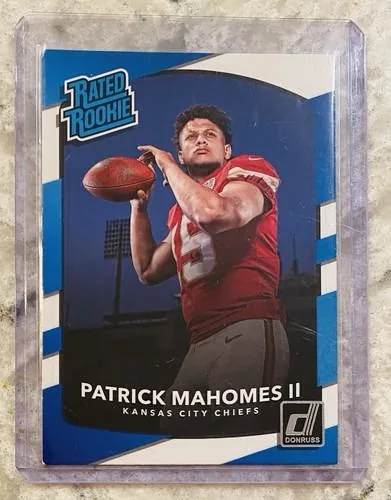
The four holders
Each holder solves a different problem, and they stack: a card goes into a sleeve first, and then into a rigid holder if it needs one.
- Penny sleeve: the soft, thin sleeve every card goes into. Protects the surface from handling.
- Top loader: a rigid plastic holder for anything valuable. Protects against bending and edge wear.
- Card Saver: a semi-rigid holder, traditionally required or preferred by some grading submissions.
- Graded slab: the sealed case a grading company returns, which is also how the card is stored afterwards.
Sizes, and what fits
Sleeves and holders come in standard, thick and oversized, and the size is determined by the card's thickness rather than its dimensions. Modern memorabilia and patch cards are noticeably thicker than base cards and will not fit a standard holder without bowing.
Buying the wrong size is the most common mistake: a thick card forced into a standard holder damages its corners, and a standard card in an oversized holder slides and takes edge wear.
- Standard: base cards and most modern releases.
- Thick: memorabilia and patch cards — check the point thickness.
- Oversized: vintage and odd-size issues such as early tobacco cards.
- When in doubt, measure rather than guessing.
Packing a card to post
A card that survives storage can still be destroyed in the post. The sequence that works is: sleeve, then rigid holder, then a team bag or a zip bag, then between two pieces of cardboard or inside a bubble mailer, then in a box or padded envelope.
The failure mode is movement. A card that can slide inside its packaging will arrive with corner damage, which is the defect buyers dispute most often.
- Sleeve, then top loader or Card Saver.
- Seal with a team bag or zip bag — not tape on the holder.
- Sandwich between rigid cardboard.
- Send tracked for anything valuable, and keep the receipt.
How it works
Three steps from a phone photo to a finished image
Scan the card
Point the camera at it — raw, sleeved, in a binder or in a slab.
Confirm the match
Check the player, year, set and parallel Zenith read.
See the value
The card lands in your collection with a market value attached.
FAQ
Frequently asked questions
Do I need top loaders for all my cards?
No. Penny sleeves for everything, top loaders for cards worth more than the cost of the holder. Commons in a snug box are fine, as long as the box is full enough that they cannot move.
What is the difference between a top loader and a Card Saver?
A top loader is rigid and opens at the top; a Card Saver is semi-rigid and holds the card more snugly. Some grading submissions prefer or require one or the other, so check before sending cards in.
What size holder do I need?
Standard for base cards, thick for memorabilia and patch cards, oversized for vintage and odd-size issues. The size is about the card's thickness, and forcing a thick card into a standard holder damages the corners.
How do I ship a card safely?
Sleeve it, put it in a rigid holder, seal it in a bag without tape touching the card, sandwich it between cardboard and send it tracked. The aim is that nothing inside the parcel can move.
Try it on your next photo
Free to download on the App Store. iPhone and iPad only.