
 Value & selling
Inheriting a card collection
Most inherited collections are a mix of a few valuable cards and a lot of bulk. The first job is finding out which is which — and not selling the valuable ones by accident.
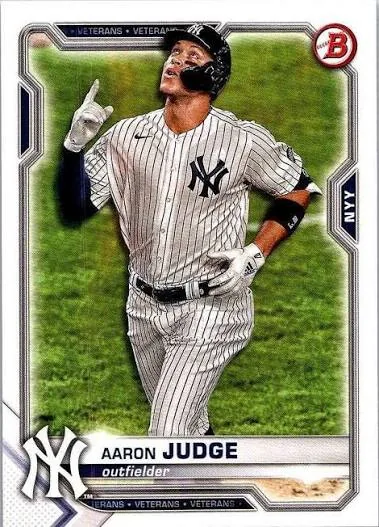
The one mistake to avoid
The expensive mistake is selling the collection as one lot before knowing what is in it. Bulk buyers price boxes on the assumption that they contain mostly commons — which is usually true, but the value in a collection is concentrated in a handful of cards, and those are exactly the ones a bulk price ignores.
Sort first. Even a rough sort into 'old', 'graded or in holders' and 'everything else' will tell you whether the collection is worth a weekend or an afternoon.
- Do not accept a bulk offer before sorting.
- Pull out anything in a holder, a slab or a sleeve first.
- Separate pre-1980 cards from modern ones.
- Look for rookie cards, autographs and numbered parallels.
How to value it without becoming a collector
You do not need to learn the hobby. You need to identify the cards that carry the value and price those. Scanning does the identification: photograph a card, confirm the match, and a market value attaches to it.
Work in batches — the valuable cards first, then the rest — and keep the ones you want to keep. A collection does not have to be sold as a unit, and the cards with sentimental value are usually not the valuable ones.
- Scan in batches, oldest and most valuable first.
- Record the values as you go, for insurance and for selling.
- Keep what matters to you; sell what does not.
- Do not clean or restore anything — it can reduce the value.
Deciding what to do next
Once the collection is valued, the options are clearer: sell the valuable cards individually, consign the mid-tier in volume, and sell the bulk as a lot. Or keep it, if the cards mean something.
The valued list is what makes the decision possible, and it is also what an insurer or an accountant will ask for if the collection is significant.
How it works
Three steps from a phone photo to a finished image
Scan the card
Point the camera at it — raw, sleeved, in a binder or in a slab.
Confirm the match
Check the player, year, set and parallel Zenith read.
See the value
The card lands in your collection with a market value attached.
FAQ
Frequently asked questions
What should I do with an inherited card collection?
Sort before selling: pull out anything in a holder or slab, separate pre-1980 cards, and look for rookies, autographs and numbered parallels. Then value the significant cards and decide what to keep, sell individually, or sell in bulk.
Should I sell an inherited collection as one lot?
Not before sorting it. Bulk offers are priced on the assumption of mostly commons, and the value in a collection is concentrated in a few cards that a bulk price ignores.
How do I find out if old cards are valuable?
Identify them: player, year, set, card number and parallel, then check recent completed sales. Scanning does the identification from a photo and attaches a market value, which is faster than researching each card by hand.
Can I clean old cards before selling them?
No. Cleaning, pressing or restoring a card is treated as alteration, which graders detect and which reduces the value. Dust can be brushed off, but anything more carries risk.
Try it on your next photo
Free to download on the App Store. iPhone and iPad only.