
 Comparisons
Card grading submission guide
Submitting is a calculated bet: the fee and the wait against the expected grade and its premium. The calculation is worth doing before the box is sealed.
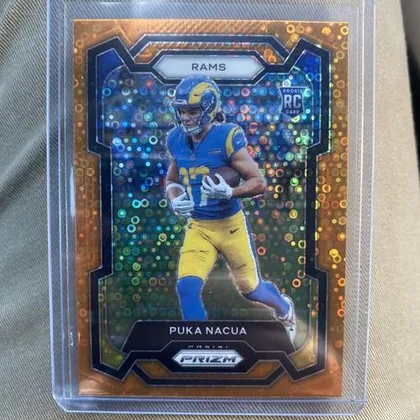
Deciding what to submit
The calculation is simple: what is the card worth raw, what would it be worth at the grade you expect, and does the difference exceed the fee plus the wait. If it does not, the card stays raw.
That excludes most commons and base cards automatically, and it makes vintage cards and star rookies the usual candidates. For anything borderline, the centring check usually settles it — a card that is visibly off-centre is not going to reach the top grade.
- Worth submitting: vintage in good condition, star rookies, low-numbered parallels.
- Not worth submitting: commons, base cards, visibly flawed cards.
- Check centring first — it is the most common grade cap.
- Compare raw and graded values for the same card before deciding.
Preparing the submission
Check every card for alteration before it goes in the box: trimming, recolouring and pressing are all detected, and an altered card comes back labelled as such with a collapsed value. A magnifier and a raking light are the tools.
Then follow the company's packaging instructions exactly — holders, ordering, forms and declared values. A submission that is packaged wrongly is delayed, and the delay costs more than the care would have.
- Inspect the edges for trimming under a magnifier.
- Look for recolouring on the corners and the borders.
- Use the holders and forms the company specifies.
- Record every card before it leaves, with photographs.
Choosing a tier
Grading companies offer tiers that differ in price and turnaround: cheaper tiers take longer, and the most expensive tiers are for cards whose value justifies the fee. Choose the tier against the card's value, not against your impatience.
Declared value matters too — it is what the insurance covers, and under-declaring to save money is the risk you take in exchange.
- Cheapest tier: slow, fine for cards you are not selling soon.
- Mid tier: the usual choice for a mixed submission.
- Premium tiers: for high-value cards where speed or coverage matters.
- Declared value: what you are insured for, not a formality.
While the cards are away
Record the submission in your collection so the cards are not missing from your totals, and note the expected return. When they come back, update the grade on each card and the value — a graded card is priced against other graded copies, not against raw sales.
Zenith keeps the grade on the card, so a slab that returns a 9 does not stay valued as a raw copy in your totals.
How it works
Three steps from a phone photo to a finished image
Scan the card
Point the camera at it — raw, sleeved, in a binder or in a slab.
Confirm the match
Check the player, year, set and parallel Zenith read.
See the value
The card lands in your collection with a market value attached.
FAQ
Frequently asked questions
Should I grade my cards?
When the value at the expected grade exceeds the raw value by more than the fee and the wait. That is usually true for vintage cards in good condition and for star rookies, and rarely true for commons or base cards.
What is the biggest mistake when submitting cards for grading?
Submitting cards that have been altered without checking — trimming, recolouring and pressing are detected, and an altered card comes back labelled as such with a collapsed value. Inspect the edges with a magnifier first.
Which grading tier should I choose?
Choose against the card's value rather than your impatience: cheap tiers for cards you are not selling soon, mid tiers for a mixed submission, and premium tiers for high-value cards where speed or insurance coverage matters.
How do I handle the cards while they are being graded?
Record the submission in your collection so the cards are not missing from your totals, and note the expected return date. When they come back, update the grade and the value, because a graded card is priced against other graded copies.
Try it on your next photo
Free to download on the App Store. iPhone and iPad only.