
 Collecting
 cards on a budget
The hobby is only expensive if you collect the way the marketing suggests. Singles, one focus, and a bit of patience go a long way.
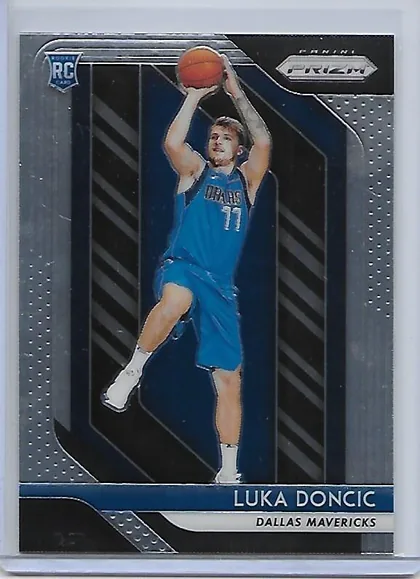
Where the money goes
The single largest expense for most new collectors is sealed product — boxes and packs. The expected value of a box is usually a fraction of its price, which means the money spent on packs is mostly spent on the experience of opening them.
That is a legitimate reason to buy a box. It is a poor reason to build a collection, and singles of the same players cost less and deliver exactly what you wanted.
- Boxes: pay for the experience, not for the cards.
- Singles: the same players, a fraction of the price.
- Bulk lots: cheap commons, useful for sets.
- Card shows: negotiation is normal, and shipping is free.
Collecting a focus, not everything
A budget collection is easier to build around a narrow focus: one player, one team, one set, or one era. Narrow collecting means fewer cards to chase, less duplication and a collection that actually looks like something.
It also makes the hobby cheaper to enjoy, because you stop buying cards that do not fit and start valuing the ones that do.
- One player, one team, one set or one decade.
- Rookies and numbered parallels of that focus only.
- Trade duplicates rather than buying more.
- A want list stops impulse purchases.
Buying well
Two habits separate collectors who spend little from collectors who spend a lot on the same cards. The first is checking comps before every purchase — the same card varies widely between sellers, and the patient buyer pays less.
The second is buying when the market is quiet. Prices follow attention, and the moment to buy a player's cards is usually when nobody is talking about them.
- Check recent sold prices before every purchase.
- Buy in the off-season and after a bad run, not after a good one.
- Buy raw and grade only what is worth grading.
- Scan what you buy, so you know what the collection is worth.
How it works
Three steps from a phone photo to a finished image
Scan the card
Point the camera at it — raw, sleeved, in a binder or in a slab.
Confirm the match
Check the player, year, set and parallel Zenith read.
See the value
The card lands in your collection with a market value attached.
FAQ
Frequently asked questions
Can card collecting be cheap?
Yes. Singles of the players you like cost very little, bulk lots are inexpensive, and the hobby rewards attention rather than budget. The expensive route is buying sealed boxes hoping for a big pull.
Are boxes worth buying?
As an experience, yes. As a way to build a collection, no: the expected value of a box is usually a fraction of its price, and the singles you wanted cost less than the box did.
What is the best way to collect on a budget?
Narrow your focus to one player, team, set or era; buy singles rather than boxes; check comps before every purchase; and trade duplicates instead of buying more.
When is the best time to buy cards?
When the market is quiet. Prices follow attention, so buying a player's cards in the off-season or after a poor run usually costs less than buying during a hot streak.
Try it on your next photo
Free to download on the App Store. iPhone and iPad only.