
 Value & selling
Buying sports cards online
Online, you cannot hold the card. Everything that matters has to be verified from the listing, the seller and the price — in that order.
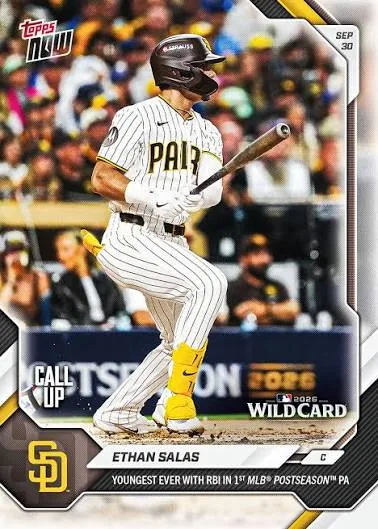
Reading a listing properly
Photographs are the card. Look for straight-on front and back shots in even light, and be suspicious of photos taken at an angle, in glare, or in a holder that reflects the room — those hide surface and corner damage.
Then read the description for what is not in the photos: centring notes, flaws, and whether the card is raw or graded. A listing that does not describe the condition is a listing that has not checked it.
- Front and back, straight on, in even light.
- Beware glare, angles and reflections in holders.
- Read for centring and flaw notes.
- Confirm whether the card is raw or graded before pricing it.
Checking the seller and the price
Seller feedback is most useful read backwards: look at the negative and neutral comments for patterns rather than the overall score. A seller with a few complaints about packaging is a seller whose cards arrive damaged.
Then verify the price against comps. The same card varies widely between sellers, and the difference is usually patience — the well-priced copy is the one that has been listed for a week rather than an hour.
- Read negative feedback for patterns, not the score.
- Check the seller's other listings for consistency.
- Verify against recent comps before buying.
- Prefer sellers who photograph flaws deliberately.
What to avoid
Three things should end a purchase: a photo that does not show the back, a description that mentions no condition at all, and a price far below the comps with a story attached. The last one is the oldest trick in the hobby.
Also be careful with high-value raw cards from unfamiliar sellers. For anything expensive, a graded copy removes the condition question entirely, which is what the premium is buying.
- No back photo: walk away.
- No condition description: walk away.
- Price far below comps with a story: walk away.
- High-value cards: prefer graded, or a seller with a long history.
How it works
Three steps from a phone photo to a finished image
Scan the card
Point the camera at it — raw, sleeved, in a binder or in a slab.
Confirm the match
Check the player, year, set and parallel Zenith read.
See the value
The card lands in your collection with a market value attached.
FAQ
Frequently asked questions
How do I buy sports cards online safely?
Read the photos for front and back in even light, read the description for condition, check the seller's negative feedback for patterns, verify the price against recent comps, and use a payment method with buyer protection.
What should I look for in card listing photos?
Straight-on front and back shots in even light. Be suspicious of glare, angles and photos taken through a reflective holder, because those hide surface and corner damage — which is exactly what changes a card's value.
How do I avoid overpaying for a card?
Check recent completed sales for the same card in the same condition before buying, and be patient: the same card is listed at a wide range of prices, and the well-priced copy is usually the one that has been sitting for a while.
Are graded cards safer to buy online?
Yes, for expensive cards. The grade removes the condition question, which is the main risk of buying raw at a distance. That certainty is what the grading premium pays for.
Try it on your next photo
Free to download on the App Store. iPhone and iPad only.