Whether to put a photo on your CV is one of the few job-hunting questions with a genuinely different answer depending on where you are applying. Getting it wrong ranges from a wasted opportunity to an automatic rejection.
Where a photo is expected
In much of continental Europe, Latin America, the Middle East and parts of Asia, a photo on a CV is normal and often expected — Germany, France, Spain, Portugal, Brazil, Mexico, Vietnam, Thailand, Japan and Korea among them. Leaving it off is not fatal, but it is a small signal that you have not tailored the document to the local convention.
Where a photo will hurt you
In the United States, Canada, the United Kingdom, Ireland and Australia, a photo on a CV is unusual and can work against you. Anti-discrimination practice encourages employers to screen on the content of the CV rather than on appearance, and many recruiters actively prefer a document without one. In those markets, leave it off — and use your LinkedIn profile for the photo instead.
If you include one, this is what it should be
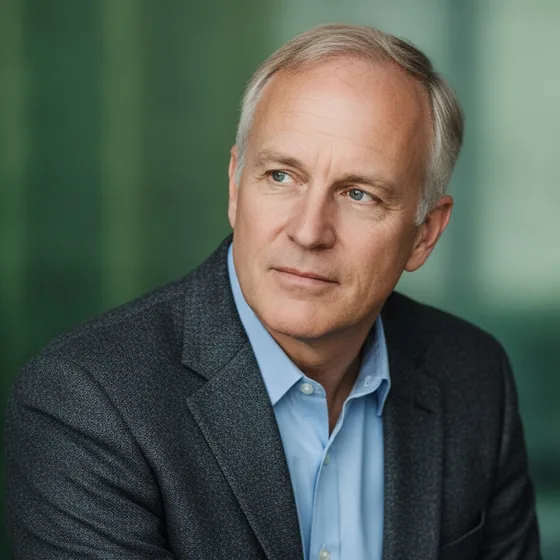
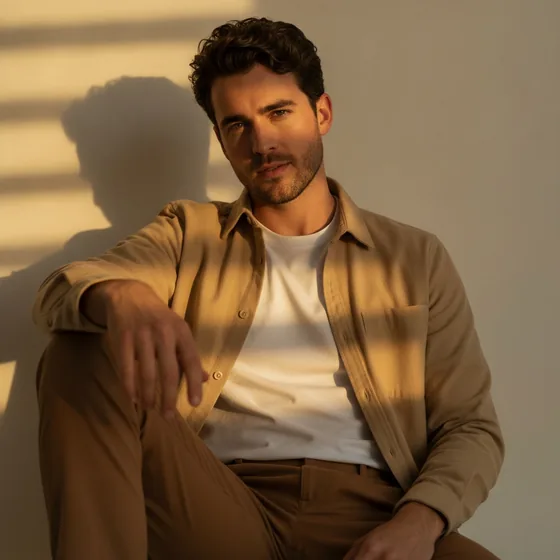
A résumé photo is a formality, not a marketing piece. The job it does is show a clear, neutral, presentable face.
- Head and shoulders, face filling the frame, eyes in the upper third.
- Plain, light or neutral background — no scenery, no other people.
- Soft, even lighting. No flash, no hard shadow.
- Business or smart-casual clothing in a solid colour.
- A neutral or very slight smile.
- Current — ideally taken within the last two years.
Sizing and placement
Keep it small: roughly 2.5 to 3.5 cm square (about an inch) in the top corner, in line with your name and contact details. It should not dominate the page or push your experience further down.
Use a square or near-square crop so it does not distort when a recruiter's system reflows the document, and export at a high enough resolution that it stays sharp in print.
One photo, several documents
If you apply across several markets, keep two versions of your CV — with and without a photo — and one good portrait that works in both. That portrait will also serve your LinkedIn profile, your personal site and the headshot a new employer will inevitably ask for.
Generating a set from your own photos is a fast way to get that one good portrait without booking a session, and to get several framings so the CV version, the LinkedIn version and the print version are all the same face.
Frequently asked questions
Should I put a photo on my CV in the UK or US?
Generally no. In the US, Canada, the UK, Ireland and Australia, a CV photo is unusual and can work against you because employers are encouraged to screen without reference to appearance. Use your LinkedIn profile for the photo instead.
What size should a CV photo be?
Around 2.5 to 3.5 cm square (roughly an inch), placed in the top corner with your contact details. Keep it small enough that it reads as a formality rather than the focus of the page.
Can I use a selfie as a CV photo?
Not directly — the arm's-length angle distorts proportions and usually shows a background you would not choose. Use it as source material instead: crop to head and shoulders, straighten the angle, and put it on a plain background, or generate a proper portrait from it.
Do I need a different photo for each country?
No, one good neutral portrait works everywhere it is appropriate. What changes by country is whether you include it at all, so keep two versions of the CV — with and without — and switch between them depending on the market.