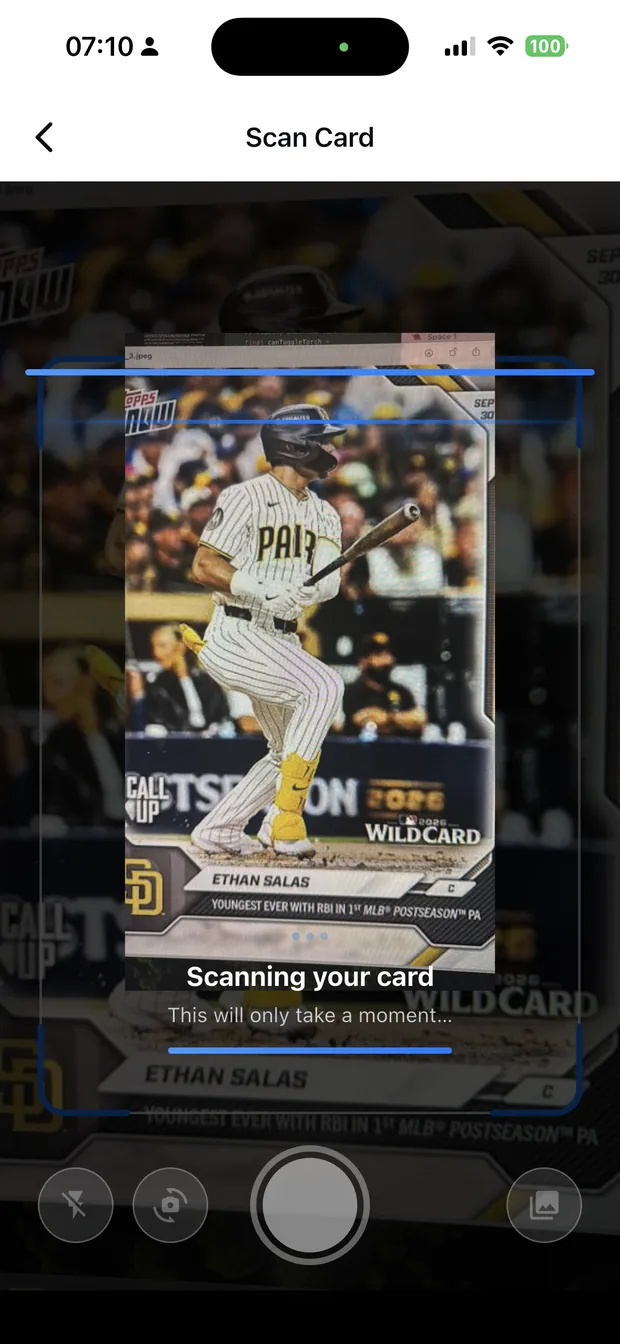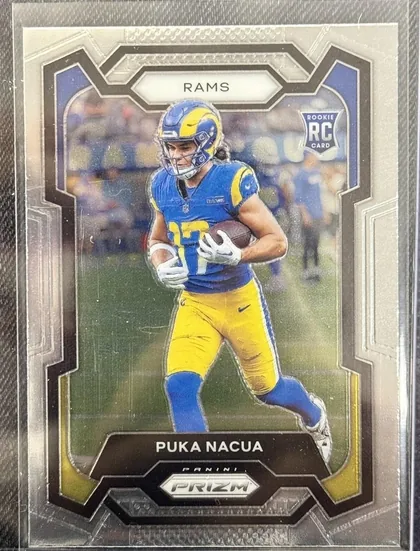
Most collections are organised by where a card physically lives, which works until it does not. A digital layer that mirrors the physical one is what keeps a growing collection usable.
Two systems, not one
Physical storage answers "where is it?" Digital organisation answers "what do I have, and what is it worth?" Trying to make one system do both is why so many collections end up with a spreadsheet nobody updates.
Keep the boxes and binders arranged the way you like them. Then keep a digital record that does not care about boxes at all.
Organise by purpose, not by box
The useful digital groupings are the ones you actually act on.
- Personal collection — the cards you would not sell. This is the set whose total value you care about most.
- For sale or trade — cards you are actively moving. Keeping them separate stops you from re-checking the same cards twice.
- Watchlist — cards you want but do not own. Separate from your collection, because they contribute nothing to its value.
- Sets in progress — the cards you still need for a set, so a card show is a checklist rather than a memory test.
Record the things you will otherwise forget
Six months from now you will not remember what you paid, who you traded with, or why you set a card aside. Those are exactly the fields worth capturing at the moment you add a card.
- Purchase price and date — the only way to know whether you are up or down.
- Grade, if it is slabbed, so you never re-check the label.
- Quantity, so a stack of duplicates is not counted as a single card.
- A short note — where it came from, or why it is in the personal collection.
Keep the total honest
A collection total is only useful if it is not inflated. Duplicates counted once each, watchlist cards excluded, and values refreshed as the market moves — those three rules keep the number meaningful.
It also helps to know your lowest and highest cards. A total of a few thousand dollars made up of one valuable card and a lot of commons behaves very differently from the same total spread across many mid-value cards.
Start small and let it grow
You do not have to catalogue everything in one go. Scan a box at a time, or work through one set. The point of a digital record is that it accumulates — after a few sessions you have something genuinely useful, and the marginal effort per card is seconds.
Frequently asked questions
Do I need to photograph every card?
No. Photograph the cards that carry value or that you want to track closely — rookies, numbered cards, slabs and anything you might sell. For commons, a catalogue entry added by search is enough.
How should I store cards physically?
Penny sleeves and top loaders for anything of value, boxes or binders for the rest, kept somewhere dry and out of direct sunlight. Consistent orientation in a box makes it much faster to find a specific card later.
Should the collection total include cards I plan to sell?
It is more useful to keep them separate. Your personal collection total is the number you would use for insurance or for deciding when to stop buying; cards you are actively moving belong in their own folder.
What about cards I am not sure about?
Keep an "unsure" folder and revisit it. Stalling on a single difficult card is the most common reason a cataloguing session stops halfway through a box.